

close
Choose Your Site
Global
Social Media
Views: 142 Author: Site Editor Publish Time: 2026-07-14 Origin: Site


In heavy industrial operations, pump failure is never just a simple maintenance headache. It acts as a critical process bottleneck. This drives severe operational downtime. When critical fluid transfer stops, your entire production line halts. You cannot afford unexpected equipment fatigue.
We must clearly distinguish commercial-grade intermittent equipment from true industrial systems. Light-duty units work fine for short bursts. However, relentless daily schedules demand highly engineered solutions. They require specific metallurgical choices. They need rigorous seal architectures to survive constant mechanical stress.
This evaluation guide explores how to specify reliable plunger systems. We will examine component-level engineering, fluid dynamics, and risk mitigation strategies. You will learn how to evaluate vendors properly. We will match specific design features to your unique application. By understanding these technical frameworks, you ensure maximum lifecycle value. You eliminate single points of failure in your fluid systems.
Continuous duty applications require specific manifold materials and plunger compositions to prevent premature seal failure and cavitation.
Evaluating a high pressure triplex pumps manufacturer goes beyond upfront evaluations; lifecycle performance is dictated by parts availability and maintenance intervals.
Proper drive selection (e.g., solid shaft vs. hollow shaft) and pulsation dampening are mandatory for system longevity in high-pressure environments.
Procurement frameworks must align fluid dynamics (viscosity, temperature, abrasiveness) to precise OEM specifications.
Industrial environments operate under harsh realities. You cannot treat continuous duty loosely. We define "continuous" as operating eight or more hours daily. Many facilities run twenty-four hours straight. Commercial equipment fails rapidly under these conditions. They use lighter bearings and standard seals. Heat builds up quickly. Components warp. True heavy-duty units manage heat efficiently. They utilize oversized crankcases and advanced lubrication. We expect them to run flawlessly. You avoid catastrophic shutdowns by acknowledging this baseline.
A three-plunger design inherently reduces pulsation. It offers roughly one to two percent flow variation. Simplex or duplex alternatives produce harsh pressure spikes. These spikes damage downstream infrastructure. Robust High Pressure Triplex Pumps deliver highly stable flow rates. We rely on them for precise fluid dynamics. They maintain exceptional volumetric efficiency under extreme loads. You protect delicate pipes and valves by utilizing a triplex configuration.
Engineers frequently overemphasize initial purchase amounts. We advise a broader evaluation perspective. You must factor in long-term energy consumption. Massive motors draw heavy currents over thousands of hours. Efficiency differences translate into massive operational expenses. Scheduled downtime for seal replacements also matters. Frequent maintenance stops production. You lose valuable operational time. Consider the expected manifold lifespan. Aggressive fluids degrade cheap manifolds quickly. Replacement parts add up fast. Evaluate the total operational economics carefully. Upfront savings often lead to downstream losses.
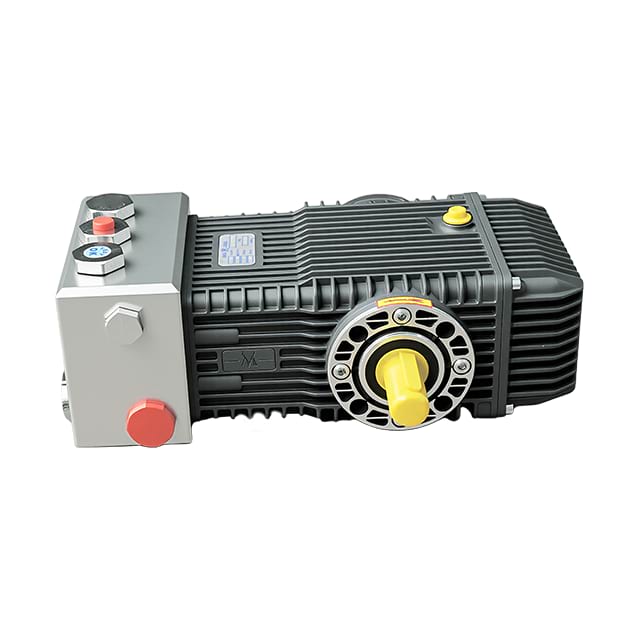
Engineers must carefully match metallurgy to fluid properties. We commonly see forged brass in standard washdown tasks. Brass handles fresh water well. However, aggressive fluids demand stronger metals. You should specify nickel aluminum bronze for saltwater applications. It resists corrosion exceptionally well. For highly corrosive chemicals, 316 stainless steel is mandatory. Food processing facilities also require stainless steel components. They prevent contamination and withstand harsh cleaning cycles.
Process fluids frequently change temperatures. These variations create thermal shock inside the manifold. Rapid heating and cooling stress metal structures. Cracks develop in poorly selected materials. We must evaluate how each metal reacts. Brass expands differently than stainless steel. You must account for fluid temperature swings. Specialized alloys handle these transitions gracefully. They maintain structural integrity over time. We prevent sudden manifold failure by calculating thermal parameters.
Material Type | Primary Application | Thermal Shock Resistance | Corrosion Resistance |
|---|---|---|---|
Forged Brass | Standard washdown, fresh water | Moderate | Low |
Nickel Aluminum Bronze | Saltwater, reverse osmosis | High | Excellent (Chlorides) |
316 Stainless Steel | Chemicals, food-grade processing | Excellent | Superior |
Plunger composition directly affects operational lifespan. Standard units often use coated plungers. A thin ceramic layer covers a metal core. This coating chips easily under continuous stress. Once compromised, the plunger destroys seals rapidly. We strongly recommend solid ceramic plungers. They offer superior wear resistance. Ceramic handles extreme friction easily. It possesses incredible thermal stability. Solid plungers maintain smooth surfaces for thousands of hours. You reduce seal replacement frequencies significantly. Industrial longevity demands solid ceramic construction.
Seal architecture determines fluid containment reliability. High pressures force fluids past weak seals. We utilize V-packing designs for robust performance. The V-shape expands under pressure. It creates a tighter seal automatically. Plungers need proper cooling and lubrication. Friction generates immense heat. We select specific elastomers based on the pumped fluid. Buna-N works well for standard water and mild oils. Viton resists harsh chemicals effectively. Teflon provides ultimate chemical compatibility. You must match the elastomer perfectly. Incorrect materials swell or disintegrate quickly.
Drive mechanism selection influences your entire footprint. We must analyze integration realities carefully. Solid shaft systems dominate heavy industrial loads. You typically connect them via belts and pulleys. Flexible couplings also work well. They isolate vibration effectively. Solid shafts handle continuous high-torque applications. Hollow shaft options provide different advantages. They allow direct drive connections. You mount them straight onto motor shafts. This creates a highly compact footprint. Space constraints often dictate hollow shaft usage. Evaluate your spatial limits before choosing.
Continuous runs generate significant friction. Your crankcase design must dissipate heat effectively. We look for oversized bearings in heavy-duty models. They distribute mechanical loads safely. Splash lubrication systems are absolutely critical. They keep moving parts bathed in oil. Oil capacity directly impacts cooling. Larger oil reservoirs maintain lower operating temperatures. Thermal breakdown destroys equipment quickly. You avoid gear failure by ensuring adequate oil volume. Robust crankcases protect internal components from harsh external environments.
Cavitation remains the leading cause of premature failure. It destroys internal components rapidly. Fluid vaporizes when inlet pressure drops too low. These vapor bubbles collapse violently inside the manifold. They pit metal surfaces and shatter ceramic plungers. We must outline strict prevention requirements. You need proper inlet pressure always. Evaluate your feed pump sizing accurately. Never allow fluid starvation. Maintain flooded suction whenever possible. Optimize inlet line sizing carefully. Minimize elbows and restrictions. We use booster pumps for marginal suction conditions.
Maintain constant flooded suction at the manifold inlet.
Size inlet lines generously to reduce friction losses.
Minimize elbows and sharp turns in suction piping.
Monitor fluid temperatures closely to prevent vapor flashing.
Install adequately sized feed pumps for long horizontal runs.
Triplex designs run smoother than simplex models. However, hydraulic shock still exists. You must protect the pump head from pressure spikes. Sudden line closures cause catastrophic damage. We require unloader valves in every system. They redirect flow when spray guns close. Pressure relief valves act as essential safety nets. They open if primary unloaders fail. Pulsation dampeners absorb residual hydraulic shock. They utilize nitrogen-filled bladders. You extend piping longevity by installing dampeners. They smooth out fluid delivery perfectly. Integrating these valves protects your High Pressure Triplex Pumps from sudden overload.
Continuous operations require predictable maintenance schedules. We establish realistic expectations for service intervals. Oil changes typically occur every five hundred hours. Seal replacements vary by fluid abrasiveness. You must plan these workflows proactively. We emphasize specific design features. Look for designs allowing top-end maintenance. You should service valves without disconnecting fluid lines. Easy access reduces scheduled downtime. Maintenance teams work faster. Your production resumes quicker. Efficient workflows save substantial capital over time.
Finding a reputable High Pressure Triplex Pumps manufacturer requires diligence. Demand complete transparency on factory acceptance testing. A true manufacturer tests every single unit. They run pumps at peak pressure before shipping. Random batch testing is insufficient. You need documented proof of performance. They must record vibration, heat, and flow data. We review these test reports carefully. It guarantees out-of-the-box reliability. Quality assurance eliminates early installation failures.
Volumetric efficiency at maximum rated RPM.
Crankcase thermal stability over prolonged runs.
Vibration analysis detecting bearing misalignments.
Seal integrity under dead-head pressure spikes.
Your operational continuity depends on spare parts. We assess the manufacturer’s distribution network strictly. A continuous duty application requires immediate support. You cannot wait weeks for replacement valves. The OEM must guarantee local stock. Seals, plungers, and packing must ship overnight. We evaluate their inventory commitments. A robust supply chain minimizes emergency downtime. You maintain production schedules confidently. Parts availability separates true partners from mere suppliers.
Off-the-shelf solutions rarely fit complex industrial needs perfectly. We evaluate the vendor's modification capabilities. Can they adjust RPM ratings? Do they accommodate unique fluid properties? You might need special ATEX compliance. API 674 standards govern many petrochemical applications. The manufacturer must supply dedicated engineering support based on these guidelines. They should calculate custom drive ratios for you. We rely on their technical expertise heavily. Customization ensures perfect system integration.
Technical documentation streamlines long-term maintenance. We look for comprehensive manuals. You need detailed exploded views. Precise torque specifications are mandatory. Clear troubleshooting guides save hours of guesswork. We also scrutinize warranty terms closely. Some warranties penalize continuous twenty-four-hour usage. You must negotiate terms covering your exact operating hours. Clear documentation and strong warranties protect your investment. They provide operational peace of mind.
Specifying industrial fluid equipment requires methodical analysis. It remains an exercise in risk mitigation. You must manage lifecycle economics aggressively. Proper engineering prevents catastrophic line failures. We recommend engineers consolidate their fluid specifications carefully. Document your required flow rates and pressures. Measure precise fluid temperatures and viscosities. Map out spatial constraints before approaching vendors.
Download detailed technical specification sheets. Request a custom sizing consultation from your chosen partner. Contact their engineering support team today. Ensure your next installation uses highly durable High Pressure Triplex Pumps. You will dramatically reduce downtime and maximize operational efficiency.
A: Lifespan depends heavily on fluid abrasiveness and inlet filtration quality. They typically range from 2,000 to 5,000 hours under ideal conditions. Clean fluids extend their life significantly. You must maintain proper lubrication. Regular inspection prevents premature cracking.
A: You must maintain flooded suction continuously. Ensure proper inlet line sizing. Minimize elbows to reduce friction losses. Monitor your fluid temperature carefully. Hot fluids vaporize easily. Utilize a dedicated feed pump if necessary. These steps prevent destructive vapor bubbles.
A: Yes, they do. Triplex designs operate smoother than duplex models. However, residual hydraulic shock remains. A pulsation dampener is highly recommended. It absorbs pressure spikes in rigid piping systems. You protect downstream instrumentation from fatigue. Dampeners ensure steady flow delivery.


