

close
Choose Your Site
Global
Social Media
Views: 123 Author: Site Editor Publish Time: 2026-07-22 Origin: Site


Standard water pumps often fail under extreme stress. Industrial facilities push equipment beyond normal limits. Severe pressure drops plague conventional setups constantly. Excessive vibration causes rapid component wear over time. You need reliable, continuous-duty performance to maintain operations. Enter the optimal solution for fluid transfer. High Pressure Triplex Pumps set the industry standard. They deliver consistent fluid transfer at extreme pressures reliably. They also minimize destructive pulsation effectively. This article guides your evaluation process step by step. You will move past basic technical curiosity quickly. We equip you to specify the right equipment confidently. You will learn the mechanical principles behind the design. We also explain how to select a credible manufacturing partner.
Mechanism: Triplex pumps utilize three synchronized plungers/pistons to significantly reduce pulsation and deliver smooth, continuous high-pressure flow.
Scalability: Available in diverse configurations ranging from light-commercial pressure washing to heavy-duty industrial jetting and reverse osmosis.
Cost Reality: Upfront price is secondary; true evaluation requires analyzing the Total Cost of Ownership (TCO), focusing on seal life, manifold material, and maintenance intervals.
Sourcing: Partnering with a vetted High Pressure Triplex Pumps manufacturer ensures critical access to replacement parts, custom drive configurations, and engineering support.
Positive displacement fundamentals govern this technology entirely. A pump draws fluid in mechanically during the suction stroke. It then pushes fluid out continuously. This action creates a specific flow volume predictably. Flow remains constant regardless of system pressure fluctuations. You get reliable performance under varying operational conditions. Centrifugal pumps lose flow against high system resistance. Positive displacement units maintain their exact output precisely. Plunger size and rotation speed determine the exact output volume.
The "Rule of Three" defines the engineering brilliance inside. The crankshaft features a strict 120-degree phase offset. Three separate plungers stroke in a precise sequence. We call this overlapping sequence a triplex configuration. A full rotation equals 360 degrees mechanically. Each plunger operates exactly one-third of a rotation apart. This overlapping motion minimizes fluid pulsation dramatically. Single plunger pumps create massive, destructive pressure spikes. Duplex pumps still generate significant pulsation forces. Triplex designs smooth out these destructive spikes effectively.
Consider the technical benefits of reduced pulsation. Downstream plumbing stays protected from constant mechanical fatigue. Hoses, rigid pipes, and nozzles last much longer. Smooth flow prevents rapid gauge failure. It also ensures consistent application of cleaning force.
You must distinguish plungers from pistons carefully. Triplex plunger designs use stationary high-pressure seals. A highly polished ceramic rod moves through them. This stationary seal setup handles much higher pressures easily. Plunger units dominate severe industrial environments everywhere. Triplex piston designs use moving seals instead. The seals attach directly to the moving piston head. They travel back and forth inside a brass cylinder. Piston pumps work well for lower pressure applications only. You must specify the correct type for your operational environment.
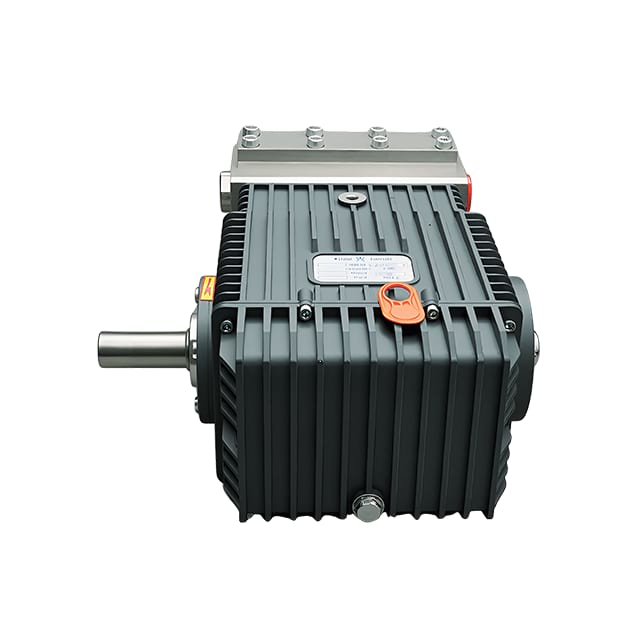
Targeting specific metrics requires careful calculation always. You must match PSI and GPM to precise outcomes. Surface preparation needs exceptionally high PSI ratings. Hydrostatic testing requires exact GPM control instead. High Pressure Triplex Pumps adapt to various industrial demands perfectly. You control pressure using specialized unloader valves. You control flow by adjusting the motor RPM.
Overspecifying flow requirements wastes massive amounts of electrical energy.
Underspecifying pressure causes premature equipment failure rapidly.
Ignoring fluid specific gravity leads to incorrect motor sizing.
Relying solely on peak ratings instead of continuous-duty ratings.
Manifold and component materials dictate operational lifespan directly. Brass serves as the industry standard manifold material normally. It works perfectly for commercial cleaning tasks. It handles non-corrosive fluids without any degradation. Stainless steel becomes mandatory in harsh environments. Harsh environments demand superior metallurgical properties immediately. Saltwater reverse osmosis requires extreme corrosion resistance. Corrosive chemicals destroy standard brass manifolds quickly. Aluminum bronze offers excellent resistance for specific saline applications.
Manifold Material | Best Application | Corrosion Resistance Level |
|---|---|---|
Forged Brass | Standard water, commercial cleaning | Low to Moderate |
316 Stainless Steel | Harsh chemicals, food processing | Very High |
Aluminum Bronze | Saltwater, reverse osmosis systems | High (Saline Specific) |
Ceramic plungers provide immense functional value internally. They resist thermal shock incredibly well during operation. They also extend packing seal lifespan dramatically. Solid ceramic outperforms ceramic-coated metal consistently. The ultra-smooth surface reduces internal seal friction significantly.
Drive system compatibility impacts installation directly. Direct drive setups save valuable floor space entirely. They attach straight to the engine or motor shaft. However, they run at full engine speed constantly. This causes faster internal wear over time. Belt drives offer better longevity overall. They utilize pulleys to reduce the pump RPM safely. Gearbox drives also run at much lower RPMs safely. Lower speeds dissipate operational heat more effectively. This drastically improves lifespan in continuous-duty roles.
Operations require transparent expectations regarding equipment wear. Predictable wear happens constantly in high-stress systems. Extreme pressures degrade internal components inevitably over time. Packing seals wear down over thousands of cycles. Check valves pit and lose their tight seal. Crankcase oil needs strict replacement schedules always. You must establish rigorous maintenance habits immediately. Proper upkeep extends pump life significantly.
Replace crankcase oil after the first 50 operating hours.
Inspect internal check valves for pitting every 500 hours.
Install a high-capacity water filter on the inlet line.
Flush the manifold completely after pumping harsh chemicals.
Thermal management is highly critical for equipment survival. Running in bypass mode generates immense heat quickly. Fluid recirculates locally and warms up rapidly. High Pressure Triplex Pumps need thermal relief valves installed. These simple safety valves dump hot fluid safely. Unloader valves also manage system pressure reliably. They divert flow back to the inlet line automatically. They prevent catastrophic overheating events during paused operation.
Cavitation poses severe risks to your equipment constantly. Inadequate inlet water supply causes severe fluid starvation. Vapor bubbles form inside the manifold suddenly. They collapse violently under high mechanical pressure. This microscopic explosion physically destroys solid metal surfaces. It sounds like marbles rattling inside the crankcase.
You must engineer proper inlet plumbing carefully. Ensure adequate supply line diameter always. Prevent air leaks entirely across the intake system. Use a dedicated booster feed pump if necessary. Keep the inlet line as short as practically possible. Avoid tight elbows near the pump inlet port. Smooth fluid entry prevents destructive cavitation entirely.
Vertical integration matters deeply during vendor selection. Some companies machine their own brass manifolds internally. They forge their own durable crankshafts independently. Others simply re-brand externally assembled components. True manufacturers control quality tightly across entire production runs. They test every unit rigorously before boxing it. They maintain strict tolerances on every ceramic plunger.
Aftermarket support dictates your equipment uptime entirely. A machine relies entirely on its maintenance schedule. You must evaluate vendor lead times carefully. Ask about rebuild kits and replacement check valves. Check ceramic plunger availability in their main warehouse. Partnering with a vetted High Pressure Triplex Pumps manufacturer ensures critical access. You cannot afford weeks of unexpected operational downtime.
Engineering capabilities separate top-tier vendors completely. A strong technical team adapts seal materials specifically. Buna-N works well for standard water applications. Viton handles harsh chemical environments safely. Teflon survives extreme fluid temperatures easily. A capable manufacturer customizes drive setups seamlessly. They adjust configurations for specific fluid viscosities. They provide deep technical support during system integration.
Demand strict compliance and rigorous testing verification. Look for recognized ISO certifications prominently displayed. Request transparent factory-acceptance testing data directly. Good vendors provide FAT results before final shipment. This proves the unit met all performance specifications. It guarantees the manifold holds pressure securely. It verifies no oil leaks exist around the crankshaft.
Follow a structured process for equipment procurement carefully. Rushing this phase leads to compromised system performance.
Step 1: Audit available facility power thoroughly. Decide between electric, gas, diesel, or hydraulic power sources. Map out exact duty-cycle requirements accurately beforehand. Distinguish intermittent use from heavy continuous operation clearly. Intermittent use allows for cheaper direct-drive configurations. Continuous use demands heavy-duty belt-driven units exclusively.
Step 2: Request detailed performance curves immediately. Do not accept only peak theoretical ratings ever. Verify mechanical efficiency at your specific operating point. A curve shows exactly how flow reacts to pressure. It helps you size your electric motor correctly. It prevents accidental motor overload during peak operation.
Step 3: Initiate technical scoping calls directly. Speak directly to specialized engineering teams immediately. Standard sales representatives often lack deep technical insight. Confirm specific fluid compatibility under high pressure. Discuss system integration requirements deeply. Share your exact inlet plumbing schematic for review. Allow their engineers to spot potential cavitation risks early.
Specifying industrial equipment requires careful balance always. You must weigh upfront configuration choices intelligently. Long-term maintenance realities demand serious attention constantly. Thorough evaluation prevents costly operational downtime later. Follow the structured evaluation steps outlined meticulously above. Match manifold materials to your specific fluid environment precisely. Ensure adequate thermal management safeguards exist everywhere. Engineer your inlet flow plumbing to prevent cavitation entirely.
Take immediate action to secure optimal pumping equipment today. Download a detailed technical spec sheet for review. Utilize a dedicated pump selection calculator online. Contact an experienced engineering team for a custom application review. Proper planning guarantees reliable fluid transfer for years.
A: Several variables dictate seal replacement intervals directly. Water quality heavily impacts internal wear rates. Operating RPM and fluid temperature also play major roles. Most industrial applications require replacement every 500 to 1000 hours. Harsh chemicals or abrasive fluids shorten this lifespan significantly. Regular visual inspection prevents unexpected seal failures entirely.
A: No, it cannot run dry safely ever. Dry running causes immediate, severe internal damage. Ceramic plungers overheat and crack rapidly without lubrication. Packing seals melt quickly from excess mechanical friction. You must maintain continuous inlet water flow always. Install low-water shutdown sensors to protect your equipment automatically.
A: An unloader valve traps pressure in the discharge line. It redirects fluid safely when the spray gun closes. This allows the motor to run without building dangerous pressure. A simple bypass valve does not trap pressure downstream. It merely loops fluid back to the inlet continuously.
A: Excessive vibration usually indicates severe fluid starvation. Cavitation causes intense knocking and mechanical shaking. Worn check valves also disrupt smooth fluid flow internally. Check your inlet line for trapped air pockets. Ensure the water supply meets the required GPM flow. Replace any pitted valves immediately to restore smooth operation.


