

close
Choose Your Site
Global
Social Media
Views: 167 Author: Site Editor Publish Time: 2026-07-06 Origin: Site


Selecting a high pressure washer is rarely a simple price comparison. Equipment capabilities vary wildly across different surface cleaning scenarios. Undersized units result in wasted labor hours. They cause chronic frustration for operators trying to complete large jobs. Conversely, over-specced equipment risks severe surface damage. It also forces unnecessary capital expenditure. For commercial operations, prosumers, and facility managers, the wrong purchase creates massive operational headaches. It directly impacts equipment uptime. It increases maintenance overhead significantly. It can even violate strict environmental compliance laws. We will provide an evidence-based framework for evaluating pump mechanics. We will examine power sources and performance metrics closely. You will learn to navigate confusing technical specifications easily. By the end, you will confidently select the exact equipment suitable for your specific duty cycle.
PSI is only half the equation: True cleaning power is determined by Cleaning Units (CU), calculated by multiplying Water Pressure (PSI) by Water Flow (GPM).
Pump quality dictates lifespan: Axial cam pumps suit intermittent use, while triplex plunger pumps are mandatory for daily, high-volume workloads.
Grease requires heat, not just pressure: Cold water units fail against petrochemicals and grease; hot water units are required for specific industrial and commercial applications.
Vendor evaluation matters: Partnering with a reputable high pressure washer manufacturer guarantees access to proprietary replacement parts, maintenance networks, and warranty fulfillment.
Start by defining the exact scope of work. Establish your primary cleaning surfaces first. Identify specific soil types present on your job site. Loose dirt washes away easily. Baked-on grease demands completely different equipment capabilities. Evaluate your frequency of use carefully before looking at machine specs. A weekly wash routine differs greatly from daily eight-hour shifts. Understanding these variables prevents premature equipment failure.
Consumer versus commercial grading falls into three distinct tiers. You must understand these categories to avoid rapid equipment burnout.
Light-duty (Under 2,000 PSI): These handle occasional residential use effectively. They clean small vehicles, outdoor grills, and patio furniture perfectly. Expect intermittent duty cycles spanning mere hours per month. Their internal components rarely survive prolonged operational stress.
Medium/Heavy-duty (2,000–3,200 PSI): Prosumers frequently rely on these specific models. They strip wooden siding effortlessly. They wash concrete driveways quickly. They prepare outdoor fencing for fresh paint. The pumps tolerate weekly moderate usage without failing.
Industrial/Commercial (3,200+ PSI): Operators run these rugged machines daily. They perform heavy fleet maintenance. They handle stubborn graffiti removal across urban areas. They clean massive heavy construction equipment. Such rigorous applications demand highly robust internal components.
Implementation risk remains incredibly high when operators ignore duty cycles. Buying a light-duty unit for a commercial duty cycle guarantees absolute disaster. The pump will quickly succumb to thermal overload. Its internal components melt or warp under sustained mechanical stress. You must align the machine's intended grade to your actual workload. A heavy-duty High Pressure Washer thrives in rigorous environments. Match your daily operational hours strictly to the manufacturer’s stated duty ratings. Proper alignment ensures years of reliable service.
Manufacturers prominently display PSI on every retail box. Buyers often mistakenly prioritize this single number above all else. PSI stands for Pounds per Square Inch. It determines raw stripping power. It acts like a powerful hammer. Higher PSI breaks the physical bond between the contaminant and the surface beneath it. You need adequate PSI to dislodge stubborn grime, chewing gum, or old paint.
GPM stands for Gallons per Minute. It determines your rinsing power. It acts as a wide broom. Higher GPM washes broken contaminants away much faster. High flow rates heavily impact your total labor time. If you break the dirt free but lack the water volume to push it away, you clean incredibly slowly. Professional operators value GPM highly for this exact reason. Moving debris away efficiently defines job site productivity.
The Cleaning Units (CU) metric provides the most reliable baseline for comparing machines. You calculate this value by multiplying PSI by GPM. The formula is very simple: PSI x GPM = CU. This single number represents total cleaning effectiveness accurately.
Maintain skeptical evaluation when reviewing promotional marketing materials. Many brands hyper-focus on peak PSI figures. They intentionally obscure extremely low GPM figures to make entry-level models look powerful. A 4,000 PSI machine producing only 2.0 GPM yields 8,000 CU. Conversely, a 3,000 PSI machine producing 4.0 GPM yields 12,000 CU. The lower-pressure machine actually cleans much faster. It flushes debris away twice as efficiently.
Here is a breakdown of how PSI and GPM interact to affect overall performance and labor efficiency:
Machine Specifications | Calculated CU | Best Application Surface | Labor Efficiency Rating |
|---|---|---|---|
2,000 PSI x 1.5 GPM | 3,000 CU | Small patios, residential sedans | Low (Slow rinsing capabilities) |
3,000 PSI x 2.5 GPM | 7,500 CU | Concrete driveways, vinyl siding | Moderate (Balanced flushing) |
3,500 PSI x 4.0 GPM | 14,000 CU | Commercial fleet washing, brickwork | High (Extremely fast rinsing) |
4,000 PSI x 2.0 GPM | 8,000 CU | Stripping tough exterior paint | Low (Poor debris flushing) |
Always calculate the CU before making a final purchasing decision. Never trust isolated PSI numbers alone. Evaluating the combined metrics protects your operational efficiency.
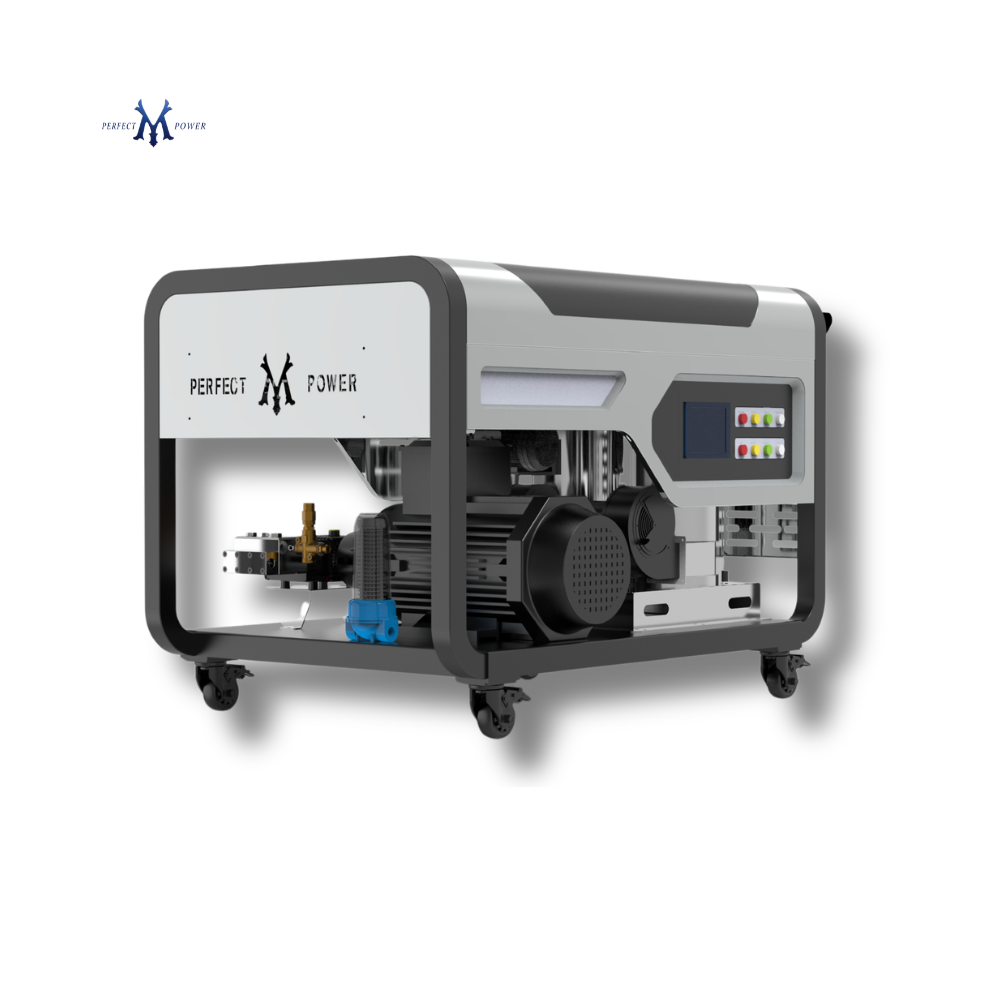
Your physical operating environment dictates the required power source. Electric and gas units serve entirely different logistical needs. You must evaluate your facility limitations carefully.
Electric power sources generate remarkably lower noise levels. They produce zero toxic emissions during operation. This makes them indoor-friendly and compliance-friendly. Food processing plants and enclosed storage warehouses mandate electric models strictly. Routine maintenance requirements remain minimal. You never change spark plugs or engine oil. However, available voltage restricts them heavily. They rarely exceed 2,000-3,000 PSI on standard electrical outlets. Operators seeking an eco-friendly High Pressure Washer often choose electric designs for corporate green initiatives.
Gas or diesel engines deliver maximum site mobility. They provide the highest PSI and GPM outputs available on the market. Cleaning crews operate them freely across large remote job sites. They do require strict maintenance schedules. Operators must perform frequent oil changes. They must utilize fuel stabilizers during winter storage. Carbon monoxide risks demand strict outdoor-only operation. Never run a combustion engine inside enclosed spaces under any circumstances. The safety risks are simply too severe.
Pump drive systems equally affect equipment longevity. Direct drive pumps spin at the exact same speed as the engine shaft. They are highly compact. They require a significantly lower upfront investment. Unfortunately, they transfer harsh engine vibration directly to the pump manifold. This rapid spinning generates excessive internal heat. It reduces the overall component lifespan significantly.
Belt drive pumps utilize a thick rubber pulley system. This mechanism reduces pump RPM drastically. Slower spinning lowers the operating temperature effectively. It absorbs harsh engine vibrations before they ever reach the delicate pump parts. They do require a higher upfront investment. However, they prove exponentially better for daily commercial use. Operators relying on their equipment for daily revenue always prefer belt drive systems. These systems endure thousands of hours of rigorous operation effortlessly.
Water temperature plays a massive role in cleaning efficiency. Cold water systems perform exceptionally well for most standard tasks. They remove caked dirt, mud, and sand effortlessly. They handle exterior paint stripping easily. These units are generally cheaper to purchase. They weigh significantly less. They feature structurally simpler designs. If you only wash earth-based debris, a standard cold unit suffices perfectly.
Hot water systems perform an entirely different chemical function. They are absolutely essential for emulsifying thick grease. Cold water merely pushes heavy oil around the surface. It rarely removes the slick residue completely. Hot water breaks the oil down molecularly. It lifts it from porous concrete instantly. You need hot water to clean automotive fluids, cooking oils, and heavy industrial lubricants. A reliable High Pressure Washer equipped with an internal heating burner slices through stubborn grease instantly. It saves hours of manual scrubbing.
Conduct a thorough cost-to-benefit analysis before upgrading. Hot water units require an internal burner coil. Diesel or kerosene typically fuels this specialized burner. This mechanism adds significant overall weight. It increases structural complexity dramatically. It demands frequent maintenance overhead from your technicians. You must descale the internal coils regularly. You must service the burner assembly annually to prevent soot buildup. Only invest in heating capabilities if petrochemical removal is a daily requirement. Otherwise, the added mechanical complexity simply outweighs the practical benefits.
Partnering with the right equipment vendor secures your long-term investment. Component transparency reveals product quality immediately. A trustworthy manufacturer clearly lists the exact origins of their engines. They proudly display reputable brands like Honda or Kohler. They specify the exact pump brand utilized. Names like CAT, AR, or General Pump indicate professional-grade construction. Avoid brands hiding their component origins behind generic proprietary labels.
Examine the pump architecture closely. Ensure the manufacturer offers genuine Triplex plunger pumps. Look for thick ceramic plungers inside the spec sheet. Verify the presence of forged brass manifolds. Ceramic dissipates extreme heat effectively. Heavy brass resists cracking under intense water pressure. Any professional-grade application requires these specific premium materials. Axial cam pumps featuring cheap aluminum manifolds cannot survive daily abuse on commercial job sites.
Verify compliance and safety standards strictly. Look for valid UL or CSA electrical ratings on corded units. Check for OSHA noise compliance on all engine-driven models. Demand valid EPA or CARB emission certifications for all gas engines. Uncertified equipment introduces severe liability risks to your business. Reliable builders ensure full regulatory compliance across their entire product lineup.
Assess the post-sale ecosystem thoroughly. A premium High Pressure Washer manufacturer provides exceptional aftermarket support. Examine their warranty limitations closely before purchasing. Engine warranties often differ greatly from pump warranties. Read the fine print carefully. Check the immediate availability of factory rebuild kits. Plunger seals and internal check valves require eventual replacement. Ensure they distribute genuine parts through authorized service centers globally. Limited parts availability sidelines your expensive equipment for weeks.
Shortlisting logic requires a highly methodical approach. Start by calculating your required Cleaning Units (CU) to ensure adequate flushing power. Choose between electric or gas power sources based on your specific location and mobility needs. Upgrade strictly to belt-drive configurations and heavy-duty triplex pumps if your weekly usage exceeds 10 hours. Avoiding entry-level mechanics prevents catastrophic equipment failures mid-job.
Take these necessary next steps immediately. Audit your facility's electrical power capacity or fuel storage capabilities. Request detailed technical specification sheets from your shortlisted vendors. Finally, verify all local environmental regulations regarding wastewater runoff and containment before finalizing your procurement. Proper planning guarantees long-term operational success.
A: Yes. A 40-degree or 65-degree nozzle drastically widens the spray pattern. This expansion reduces the direct pressure applied to any single point. It allows a commercial machine to wash softer surfaces like wood siding, decking, or vehicles safely. Always test a small, inconspicuous area first before applying full spray volume.
A: It redirects water inside the pump when the machine is running but the trigger is released. Extended bypass running, usually over two to three minutes, causes the trapped water to boil. This extreme heat quickly destroys internal pump seals. Look for models featuring thermal relief valves or auto-shutdown mechanisms to prevent this specific damage.
A: Generally, no. Axial cam pumps are typically sealed, entry-level units designed for finite lifespans. Their internal components rarely support complex rebuilding procedures. It is usually more cost-effective to replace the pump entirely. Alternatively, use the failure as an opportunity to upgrade to a machine featuring a fully serviceable triplex plunger pump.


