

close
Choose Your Site
Global
Social Media
Views: 154 Author: Site Editor Publish Time: 2026-07-10 Origin: Site


Upgrading your cleaning equipment represents a significant capital investment. Facilities face immense pressure to reduce labor costs, minimize mechanical downtime, and consistently meet strict sanitation standards. Consumer-grade machines simply fail under continuous daily use. They lack the robust engineering required for heavy-duty applications. Selecting the right industrial unit requires a careful balancing act. You must weigh raw cleaning power against energy sources and long-term reliability. A poor choice leads to frequent breakdowns and lost productivity. Our goal is to set out a clear path forward. We provide a definitive, unbiased framework for evaluating commercial configurations. You will learn how to read technical specifications accurately. We also guide you through vetting a reliable manufacturing partner. This ensures you secure equipment built for true commercial demands.
Cleaning Units (CU) dictate performance: Evaluating both PSI (pressure) and GPM (flow) is required to determine actual cleaning speed and efficiency.
Application drives configuration: The choice between hot/cold water and gas/electric power sources must align directly with the primary contaminant (e.g., grease vs. dirt) and the operating environment (indoor vs. outdoor).
Total Cost of Ownership (TCO) exceeds upfront cost: Pump longevity, maintenance accessibility, and aftermarket parts availability from a reputable high pressure washer manufacturer are critical to ROI.
Compliance is non-negotiable: Industrial buyers must factor in emissions standards, noise regulations, and wastewater reclamation protocols.
Buyers often confuse light commercial units and true industrial machines. The primary difference lies in the anticipated duty cycle. Consumer models generally handle one to two hours of weekly use. Their internal components quickly overheat during prolonged operation. In stark contrast, industrial units easily manage continuous, four-to-eight-hour daily duty cycles. They are engineered to endure grueling shifts in factories, on construction sites, or within agricultural facilities. Pushing a consumer model beyond its intended duty cycle causes catastrophic pump failure. You must evaluate your daily usage hours accurately before selecting a machine.
True industrial performance requires heavy-duty component architecture. Cheap machines utilize aluminum pumps and plastic valves. These materials warp and crack under sustained heat. Industrial machines feature forged brass pump heads. Brass resists high pressure and prevents micro-fractures. Manufacturers also install solid ceramic plungers rather than ceramic-coated steel. Solid ceramic resists thermal shock and intense friction inside the pump head. Furthermore, industrial units employ low-RPM motors. Slower engine speeds reduce vibration and extend the operational life of the entire drive system. These components collectively resist cavitation, which occurs when vapor bubbles collapse and destroy internal pump surfaces.
Many buyers fall into the "prosumer" trap. They purchase high-end consumer machines, hoping for industrial results. These machines often boast impressive pressure ratings on paper. However, they lack essential protective mechanisms. True commercial environments demand thermal relief valves. These valves automatically discharge dangerously hot water from the pump when it idles. Without them, internal temperatures spike rapidly. Industrial models also incorporate robust bypass loops. A bypass loop routes water back into the system safely when the operator releases the trigger. Over-specifying a consumer machine guarantees early equipment replacement and unexpected operational downtime.
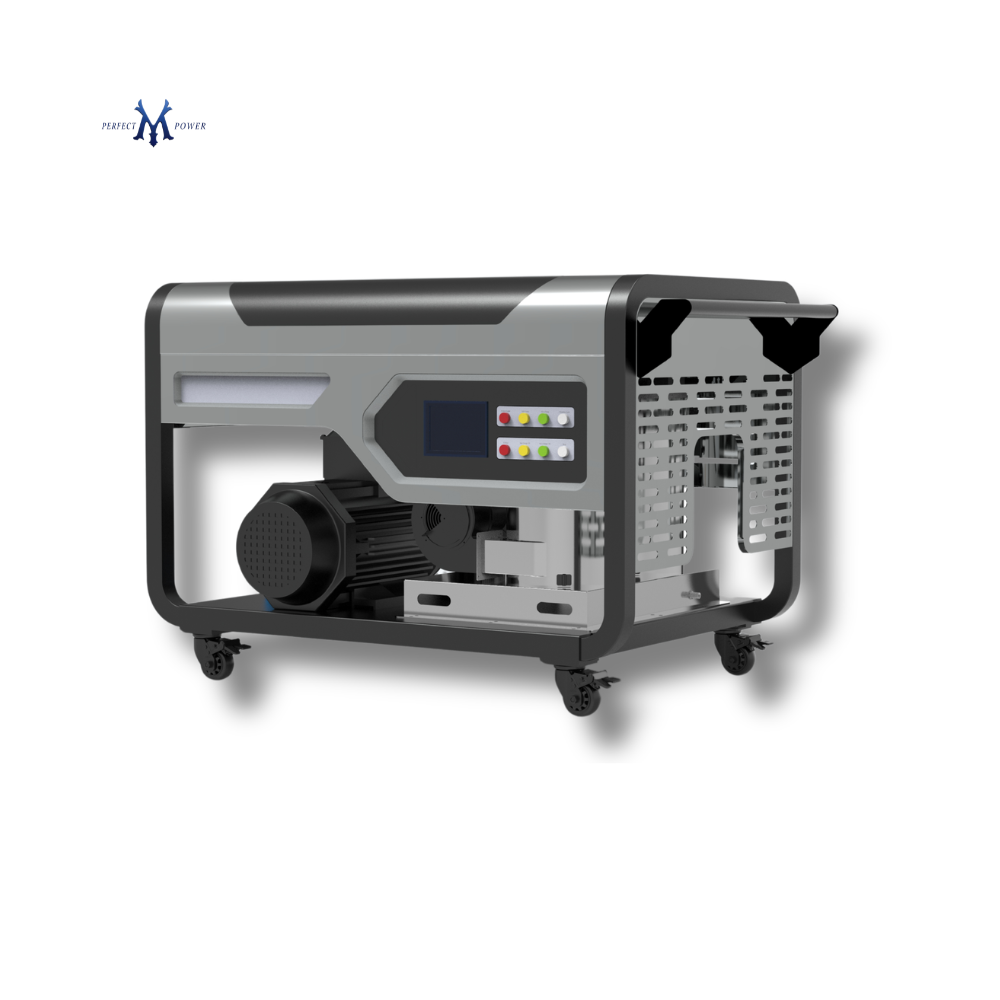
Selecting water temperature is your most critical configuration choice. Cold water systems excel at specific tasks. They handle mud, dirt, loose debris, and paint stripping effectively. Cold water machines also offer a much lower maintenance footprint. They lack complex heating coils and burner assemblies. This makes them lighter and easier to transport across job sites.
Conversely, cold water cannot remove greasy residues. Hot water systems are absolutely essential for breaking down oils, grease, and industrial proteins. Facilities in food processing or heavy manufacturing rely heavily on hot water. The heat melts stubborn hydrocarbons rapidly. Selecting a hot water High Pressure Washer introduces added mechanical complexity. You must maintain onboard burner systems powered by diesel, kerosene, or natural gas. Operators must regularly inspect the heating coil for soot buildup and scale accumulation. Despite the extra maintenance, hot water cuts cleaning times in half for oily contaminants.
Your operating environment dictates the power source. Electric machines are strictly required for indoor or poorly ventilated areas. Food processing plants and enclosed manufacturing floors cannot tolerate exhaust fumes. Electric units provide quiet operation and generate zero emissions. However, they remain physically tethered to a power supply. You must manage heavy extension cords and ensure adequate electrical infrastructure.
Gas or diesel engines deliver maximum mobility. They power machines on remote construction sites, agricultural fields, and fleet washing yards. Operators can move freely without worrying about power outlets. However, combustion engines demand higher maintenance. You must schedule frequent oil changes, filter replacements, and spark plug checks. Furthermore, buyers must consider local emission regulations and noise restrictions when deploying gas-powered units.
Configuration Type | Primary Target Contaminant | Best Operating Environment | Maintenance Complexity |
|---|---|---|---|
Cold Water / Electric | Mud, dirt, dust, loose paint | Indoor, poorly ventilated | Low (Pump maintenance only) |
Hot Water / Electric | Grease, oil, animal proteins | Indoor, food processing | Medium (Burner system added) |
Cold Water / Gas | Heavy earth, concrete stains | Outdoor, remote sites | Medium (Engine upkeep required) |
Hot Water / Diesel | Heavy machinery grease, sludge | Outdoor, industrial yards | High (Engine and burner upkeep) |
Evaluating raw specifications requires a clear understanding of the cleaning matrix. Buyers frequently over-emphasize pressure while ignoring flow rate. This imbalance creates inefficient cleaning protocols.
PSI (Pounds per Square Inch): This metric defines raw stripping power. High PSI breaks the chemical bond between the contaminant and the surface. You need high PSI to remove rust, strip old paint, or blast away hardened concrete spatter.
GPM (Gallons per Minute): This metric defines rinsing and flushing power. Once PSI breaks the dirt loose, GPM washes it away. Higher flow rates move heavy debris faster.
The Commercial Rule of Thumb: High GPM is often more critical for commercial speed than extreme PSI. A 4000 PSI machine at 2.0 GPM cleans a tiny strip very deeply. A 3000 PSI machine at 5.0 GPM cleans a wide path rapidly. Fast coverage reduces labor hours drastically.
The internal pump mechanism serves as the heart of the machine. Manufacturers typically utilize two main pump designs. Axial cam pumps appear frequently on light-duty models. They feature a direct connection to the engine shaft. Axial pumps are lighter and cheaper to produce. However, they are generally much harder to service. When an axial pump fails, operators often must replace the entire pump assembly.
Industrial applications demand triplex plunger pumps. The industry standard triplex pump operates using three separate plungers. They draw water in and push it out with exceptional efficiency. Triplex pumps run cooler and handle higher pressures effortlessly. Most importantly, they are fully rebuildable. Mechanics can replace individual valves, seals, and plungers. This rebuildability guarantees a much longer lifespan and better return on investment.
The method used to transfer power from the engine to the pump impacts machine longevity significantly. We categorize drive systems into two main types.
Direct Drive: The pump mounts directly to the motor shaft. This design is highly compact and costs less to manufacture. However, direct mounting transfers intense engine heat and harsh vibration directly into the pump housing. The pump also spins at the exact same high RPM as the engine. This accelerates wear and tear on internal seals.
Belt Drive: A series of belts connects the engine to the pump. This setup physically isolates the pump from engine vibration. More importantly, pulleys allow the pump to run at much lower RPMs, typically under 1500 RPM. Lower speeds mean less friction, reduced heat, and drastically extended operational life. Belt drive units are bulkier, but they remain superior for heavy-use scenarios.
An industrial machine is only as good as its uptime. Equipment breakdowns are inevitable in harsh environments. How quickly you recover depends entirely on the supply chain. You must evaluate the manufacturer’s distribution network before purchasing. Request average lead times for critical replacement parts. Facilities need rapid access to replacement hoses, dual-lance wands, unloader valves, and pump rebuild kits. A reputable High Pressure Washer manufacturer maintains robust domestic inventory. Waiting six weeks for a proprietary unloader valve paralyzes facility operations.
Never accept a generic "total" warranty at face value. Industrial warranties require careful scrutiny. A machine might advertise a five-year warranty, but this often excludes critical wear parts. Assess specific coverage details for the pump manifold, the heating coil, and the engine. Engines usually carry a separate warranty managed by the engine manufacturer, not the equipment builder. Look for service agreements offering on-site repairs. Transporting a heavy, hot-water skid unit to a service center wastes valuable time and resources.
Standard off-the-shelf units rarely meet complex industrial needs perfectly. Identify if the manufacturer offers modular engineering. Customization ensures the machine integrates smoothly into your specific industry vertical. Agricultural buyers might need custom trailer mounts for field mobility. Food processors often require dual-lance wands and specialized surface cleaners. Some applications demand multi-gun setups, allowing two operators to run off a single massive pump. A strong manufacturing partner will engineer these add-ons seamlessly.
Certification Body | Focus Area | Workplace Impact |
|---|---|---|
UL (Underwriters Laboratories) | Electrical Safety | Prevents shock hazards in wet environments. |
CSA (Canadian Standards Association) | Mechanical/Electrical | Ensures compliance across North American borders. |
CE (Conformité Européenne) | Health, Safety, Environment | Required for European operations and global safety alignment. |
Always verify workplace safety certifications. OSHA inspectors actively check equipment for UL, CSA, or CE marks. Deploying uncertified equipment exposes your organization to severe liability risks.
Water propelled at 4000 PSI acts like a liquid blade. High-pressure injection injuries are severe, life-threatening risks. Water injected under the skin introduces toxic chemicals and aggressive bacteria deep into human tissue. You must establish standard operating procedures immediately upon equipment delivery. Operators must wear proper personal protective equipment. This includes heavy duty waterproof boots, face shields, and Kevlar-reinforced gloves. Furthermore, always verify the functionality of trigger-gun safety locks before every shift. Never allow operators to tape or bypass trigger mechanisms.
Industrial equipment requires strict preventative upkeep. Ignoring routine service guarantees premature failure. Operators must check pump oil levels daily and change the oil after the first 50 hours of use. Subsequent oil changes usually occur every 500 hours. Hot water units require annual burner tune-ups. Technicians must clean the fuel nozzles, adjust the electrodes, and descale the heating coil. Outdoor units face another severe risk: freezing. Water left inside the pump expands when frozen, cracking the forged brass manifold instantly. You must implement strict winterization protocols, flushing the system entirely with anti-freeze before winter storage.
Washing industrial contaminants creates hazardous runoff. You cannot simply wash heavy grease, harsh chemicals, or paint flakes down standard storm drains. The EPA and local municipalities enforce strict wastewater runoff regulations. Fines for illegal discharge are staggering. Address this operational reality before deploying your new equipment. You may need to invest in complementary wash-water recovery systems. These systems vacuum up the contaminated water as you clean. Some setups include filtration modules capable of separating oils and heavy metals. Operating a compliant High Pressure Washer protects your surrounding environment and shields your company from severe legal penalties.
Selecting the right industrial equipment requires an analytical approach. You must balance cleaning speed metrics against physical environmental constraints. Match your GPM and PSI to the actual contaminants your team faces daily. Choose power sources and water temperatures aligned with your workspace ventilation and mobility needs. Robust engineering, like triplex pumps and belt drives, guarantees machine longevity under extreme daily use.
Procuring a machine is only the first step. Partnering with an established, responsive High Pressure Washer manufacturer ensures long-term return on investment. You secure reliable access to replacement parts, transparent warranties, and customized engineering support. This relationship minimizes equipment downtime and keeps your facility running smoothly.
We encourage buyers to map out their specific daily usage hours and primary cleaning challenges today. Record your environmental constraints and facility compliance requirements. Then, contact a commercial sales representative to request a comprehensive site audit or a customized equipment quote tailored strictly to your operational demands.
A: The primary differences involve component materials and duty cycles. Commercial units handle intermittent use. Industrial units feature solid ceramic plungers, forged brass manifolds, and robust triplex pumps designed for continuous, 4-to-8-hour daily operation.
A: A flow rate of 3.0 to 4.0 GPM serves as the standard baseline for commercial efficiency. Heavy industrial applications, like fleet washing or massive concrete surface cleaning, typically require 5.0 GPM or higher to reduce labor time.
A: Yes, belt-drive models are vastly superior for continuous daily use. The belts isolate the pump from engine vibration and allow it to run at a lower RPM. This reduces heat transfer and significantly extends the pump's lifespan, though they require a larger physical footprint.
A: No. Running external hot water into a cold water pump will cause rapid seal degradation and catastrophic pump failure. Cold water pumps are not rated for high temperatures. Always use a dedicated hot water machine if you require heated cleaning.


