

close
Choose Your Site
Global
Social Media
Views: 169 Author: Site Editor Publish Time: 2026-08-31 Origin: Site


Commercial jetting equipment represents much more than a standard cleaning tool for today's municipal and commercial contractors. You must view it as a critical capital expenditure driving your operational capacity, field efficiency, and service margins. Misaligning equipment specifications, such as PSI and GPM, with your primary daily applications creates cascading issues.
For contractors evaluating jetting equipment, manufacturer experience is also an important consideration. PERFECT POWER has been engaged in fluid technology, intelligent cleaning equipment, and customized pump system development for 28 years, serving customers across North America, Europe, Asia, the Middle East, South America, and other international markets.
This guide moves beyond basic definitions and marketing terminology. We provide actionable criteria based on verifiable performance metrics to help you make an informed procurement decision. You will learn how to dissect internal pump anatomy, decode the complex PSI versus GPM matrix, and select the right platform size for your fleet.
Industrial jetting equipment is categorized by its PSI-to-GPM ratio; cutting power requires high PSI, while heavy debris removal requires high GPM.
Selecting between cart, skid, and trailer form factors depends heavily on fleet vehicle payload limits and daily deployment frequency.
Total Cost of Ownership (TCO) hinges on pump design, maintenance accessibility, and winterization protocols, not just upfront purchase price.
System adoption requires verifiable safety features (unloader valves, burst discs) to protect operators and mitigate liability.
Industrial cleaning relies entirely on robust fluid mechanics. Triplex plunger pumps dominate commercial applications, vastly outperforming standard diaphragm pumps. Diaphragm systems handle lower pressures adequately for agricultural spraying. However, they struggle under the continuous stress required for commercial drain cleaning. Triplex pumps use three synchronized plungers to generate smooth, consistent water flow. This specific design minimizes pulsation, reducing harmful vibration across surrounding components. You must evaluate internal component materials carefully during procurement. Ceramic plungers resist scoring and thermal shock significantly better than standard steel alternatives. Brass manifolds provide exceptional durability against hairline cracking and chemical corrosion. These engineering choices directly dictate your long-term wear resistance. High-quality PERFECT POWER pumps incorporate these advanced materials to ensure maximum field longevity.
Engines and motors drive the entire fluid system. You have four primary power options: gas, diesel, PTO (Power Take-Off), and electric. Gas engines offer easy maintenance accessibility and lower initial purchase costs. Diesel engines deliver much higher torque curves, making them ideal for high-flow trailer units pushing heavy municipal debris. PTO systems integrate directly into your truck's chassis engine. They save valuable deck space but tie the cleaning unit permanently to one specific vehicle. Electric motors provide emission-free power delivery. You need electric systems exclusively for indoor facilities, food processing plants, and hospitals where toxic exhaust fumes violate environmental safety codes. Always match the motor's torque curve to your pump's continuous demand.
Hoses do much more than simply carry water downstream. They endure brutal exterior abrasion and extreme internal hydrostatic pressure. You must analyze burst pressure ratings rigorously. A commercial-grade hose should boast a burst rating at least two and a half times its standard operating pressure. Hose diameter directly impacts internal pressure drop. Small diameters create intense friction, reducing the actual PSI delivered to the cleaning nozzle. Larger hoses maintain higher pressure over long distances but weigh significantly more. Operators benefit greatly from variable-speed power reels. These automated reels reduce operator fatigue, control retrieval speeds safely, and ensure uniform hose wrapping.
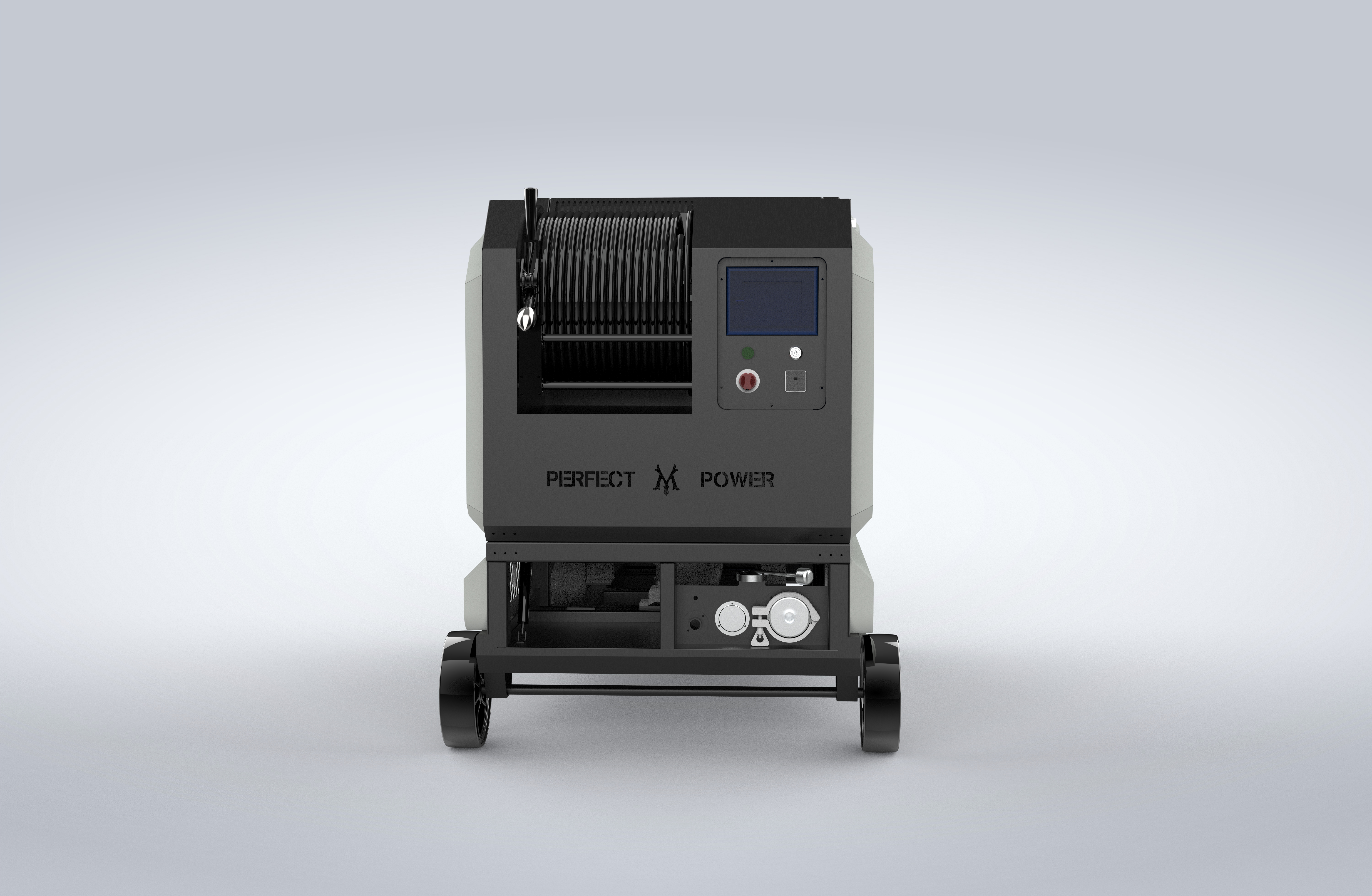
High PSI acts as an invisible cutting blade inside the pipe. You prioritize pressure when dealing with hard, stubborn blockages attached to pipe walls. Applications requiring 3,000 to 4,000+ PSI include slicing through invasive tree roots, destroying heavy mineral scale, and breaking up dried concrete slurry. Hard grease blockages also demand extreme pressure to shatter the calcified fat deposits. Think of PSI as your primary demolition tool. It shears obstructions cleanly off the pipe interior, restoring the original diameter.
Flow dictates your physical flushing capacity. You prioritize GPM when the goal involves moving large volumes of loose material. Applications needing 10 to 40+ GPM include flushing sand, thick mud, and heavy gravel from expansive municipal sewer lines. High flow creates a powerful, rushing river inside the pipe. Once a blockage breaks apart, high GPM carries the heavy debris down to the municipal collection point. Without sufficient flow, shattered debris simply settles back into the line, creating secondary blockages immediately.
Contractors often struggle to find a perfectly balanced machine. Over-speccing wastes fuel and damages smaller residential pipes. Under-powering leaves crews stranded on difficult commercial jobs. A reliable "sweet spot" exists for standard daily operations. Residential lines measuring 2 to 4 inches typically require 4,000 PSI at 4 to 6 GPM. This exact ratio cuts household grease and fine roots efficiently. Main-line commercial jobs measuring 6 to 12 inches demand much more flow, usually settling around 2,500 to 3,000 PSI at 12 to 18 GPM. Use these established baselines to avoid mismatched procurement.
Application Matrix Reference Guide
Application Target | Recommended PSI Range | Recommended GPM Range | Primary Operational Objective |
|---|---|---|---|
Residential Grease & Sludge | 3,000 - 4,000 | 4 - 6 | Cutting soft blockages in small pipes |
Commercial Root Intrusions | 4,000+ | 8 - 12 | Shearing tough biological growth cleanly |
Municipal Sand & Gravel | 2,000 - 2,500 | 20 - 40+ | Flushing heavy sediment loads outward |
Industrial Scale Removal | 5,000+ | 10 - 15 | Shattering hardened mineral deposits |
Portable cart models prioritize access and maneuverability over raw power. They offer incredible mobility for tight urban environments, narrow residential alleys, and indoor commercial facilities. You can wheel them directly into service elevators or through standard commercial doorways.
Pros: Exceptional portability, low footprint, allows single-operator deployment indoors.
Cons: Highly limited by lower GPM outputs, relies entirely on standard residential water bibs for supply.
If the local spigot lacks adequate flow, the pump starves and risks severe cavitation damage.
Skid systems bolt directly into a heavy-duty van or box truck chassis. They provide a highly integrated fleet solution for busy contractors. Operators enjoy maximum security because the expensive equipment stays locked inside the vehicle. Enclosed setups also simplify cold-weather protection significantly.
Pros: Integrated storage, secure from theft, climate-controlled environment protects vital components.
Cons: Requires dedicated payload capacity, limits vehicle versatility, consumes massive interior space.
A heavy skid plus a filled water buffer tank consumes massive weight capacity, requiring robust suspension upgrades.
Trailers represent heavy-duty, uncompromised performance. They bring high water-carrying capacity and massive distinct engine power directly to the job site. They do not tie up your primary service truck during long operations. You can drop the trailer at a municipal job and drive the truck away to fetch necessary parts.
Pros: Massive buffer tanks, high-torque diesel engines, frees up primary service vehicles.
Cons: Requires strict towing logistics, triggers DOT compliance regulations, demands specialized driver training.
You must ensure your drivers understand braking dynamics when towing hundreds of gallons of sloshing water.
Equipment uptime dictates your service reliability and reputation. You must establish strict, unyielding schedules for routine pump rebuild intervals. Most commercial triplex pumps require complete seal replacements every 500 hours of active operation. Filter replacement schedules determine how effectively you prevent abrasive debris from scoring the fragile ceramic plungers. We highly recommend checking inlet water filters daily before startup. Fuel consumption rates also impact daily field operations heavily. A heavy-duty diesel unit might burn up to two gallons per operational hour. You need to map these exact fuel logistics into your daily routing to prevent unexpected shutdowns.
Cold climates destroy unprepared fluid systems rapidly. Frozen brass manifolds crack easily, resulting in catastrophic, expensive pump failure. You must implement robust winterization protocols to prevent devastating downtime.
Drain the primary water buffer tank completely at the end of the shift.
Connect the antifreeze recirculation system to the pump inlet.
Run the engine briefly until pure antifreeze exits the high-pressure nozzle.
Store the high-pressure hose inside a heated environment if possible.
Integrated antifreeze recirculation systems offer the best, most efficient protection. Blowing lines out with compressed air serves as a viable backup method. Never leave untreated water resting in the pump housing overnight during winter months.
High-pressure fluid injection causes severe, life-threatening injuries instantly. Your system adoption strategy must prioritize mandatory safety configurations. Thermal relief valves automatically dump hot water if the pump overheats during extended bypass mode. Rupture disks act as critical physical fail-safes. They blow out safely if internal pressure spikes beyond the system's structural limit, preventing hose explosions. You must also supply specialized operator PPE to mitigate daily operational risks. This includes fluid-resistant armor, reinforced boots, and heavy-duty face shields. A proactive safety culture protects your operators and heavily mitigates corporate liability.
When you align technical specifications with actual brutal field demands, jetting equipment from top manufacturers stands out. Platforms engineered by PERFECT POWER sit precisely within the ideal evaluation matrix for commercial contractors. They engineer systems with incredibly tight internal tolerances, ensuring maximum pump durability under continuous, heavy loads. Readily available replacement parts prevent minor wear issues from turning into week-long fleet groundings. You need a platform built from the ground up for commercial abuse, not a modified consumer unit.

Your equipment should grow alongside your expanding service offerings. Advanced platforms accommodate diverse aftermarket additions seamlessly. You can integrate heavy-duty hydraulic root cutters for specialized municipal work or attach high-frequency vibrating nozzles for stubborn scale removal. They also support advanced camera inspection integrations, allowing crews to verify pipe cleanliness in real time visually. Upgradable nozzle loadouts mean you rarely need to buy a completely new machine when taking on different job types.
Even the absolute best machinery encounters unexpected field damage. A comprehensive manufacturer warranty acts as a crucial corporate safety net. You must evaluate the responsiveness of technical support before signing a purchase order. A vendor's ability to overnight a cracked brass manifold or a replacement unloader valve directly impacts your operational uptime. Strong support infrastructure turns potential operational disasters into minor, manageable inconveniences. Always prioritize vendors who maintain massive domestic parts inventories.
Acquiring the correct commercial fluid machinery requires careful, calculated analysis. You must perfectly balance PSI and GPM ratios against your daily application requirements. High pressure cuts through stubborn roots efficiently, while high flow flushes heavy municipal debris away permanently. Platform sizing matters just as much to your daily logistics. Carts navigate tight urban spaces easily, skids offer secure integrated fleet solutions, and trailers deliver massive standalone power for major projects.
Do not overlook the harsh operational realities of triplex pump maintenance, daily filter checks, and mandatory winterization protocols. Before requesting detailed technical spec sheets or booking live product demos, audit your current infrastructure. Document your existing water supply capabilities, review your fleet's exact towing capacities, and analyze your most frequent job types. This thorough preparation ensures you procure a system built perfectly for your specific commercial reality.
A: As a reliable rule of thumb, you need 1 to 1.5 GPM per inch of pipe diameter. Therefore, a 6-inch commercial sewer line requires a minimum of 6 to 9 GPM to flush heavy debris effectively. Higher flow rates ensure broken scale and grease do not settle back into the pipe.
A: You can only do this if the pump's demand is lower than the spigot's output. Standard residential spigots usually yield 4 to 8 GPM. If your machine pulls 12 GPM, the pump will starve and cavitate, causing severe internal damage. You must use buffer tanks for high-flow units.
A: While both machines use high-pressure water, they function completely differently. Pressure washers use forward-facing nozzles specifically for exterior surface cleaning. Jetters use specialized rear-firing nozzles that propel the hose deep into pipes while scouring the walls. They also require highly flexible, abrasion-resistant hoses designed exclusively for pipe navigation.


